Gwyn Williams explains how Climate Change is impacting those living in southern-Africa.
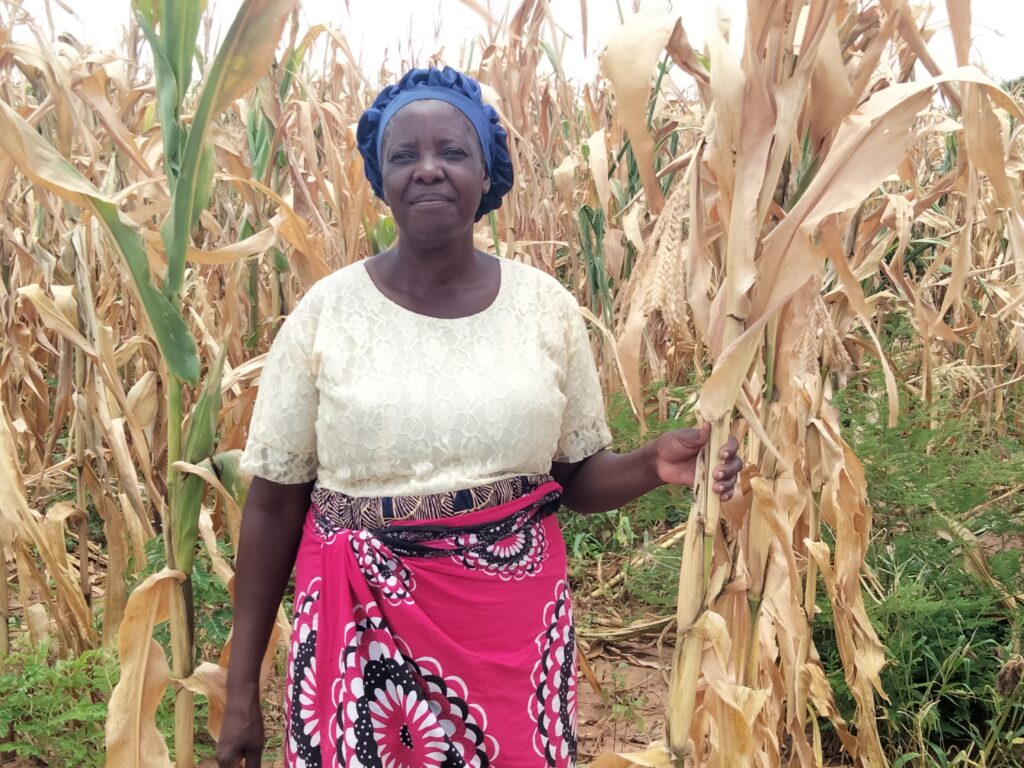
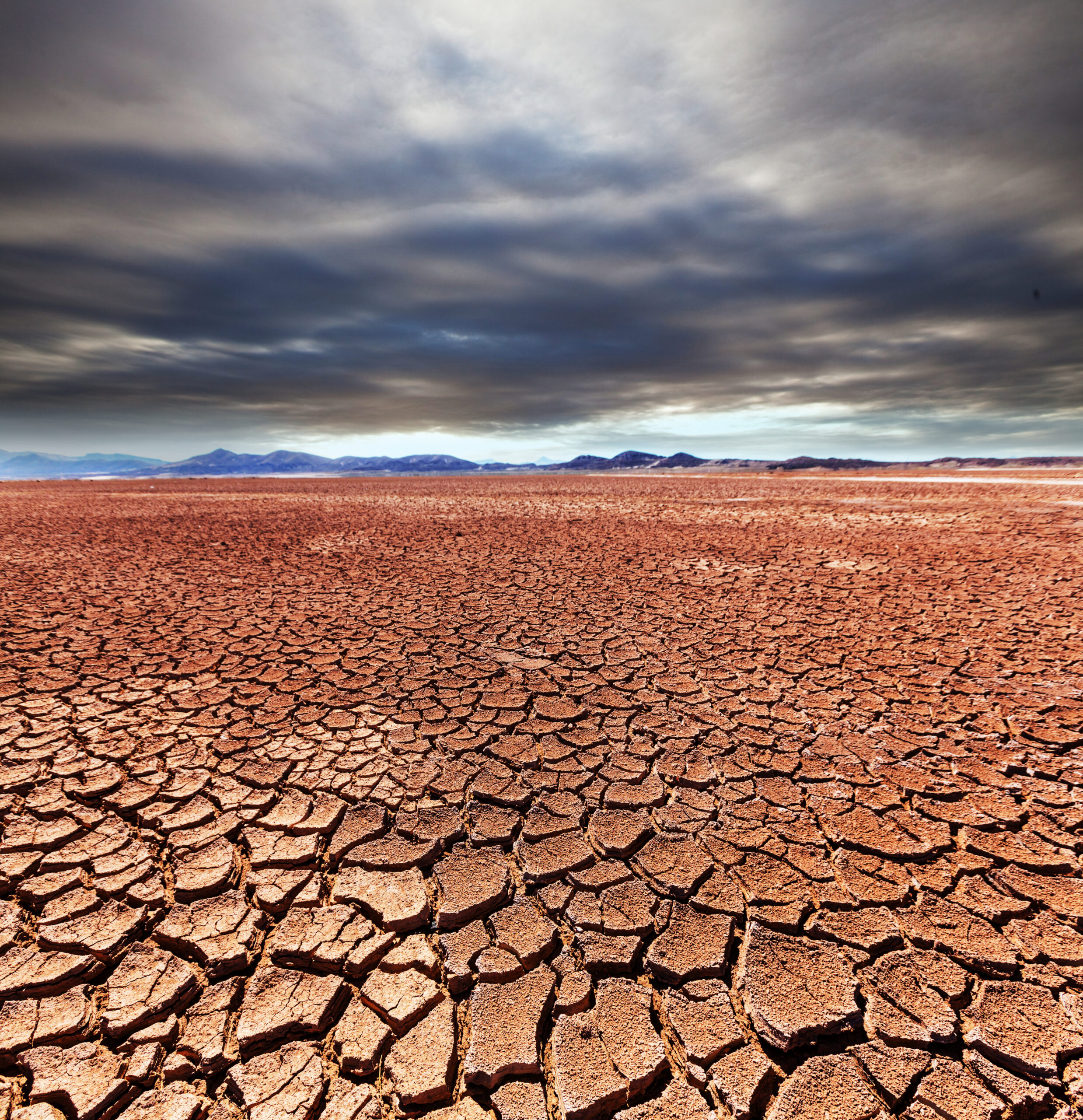
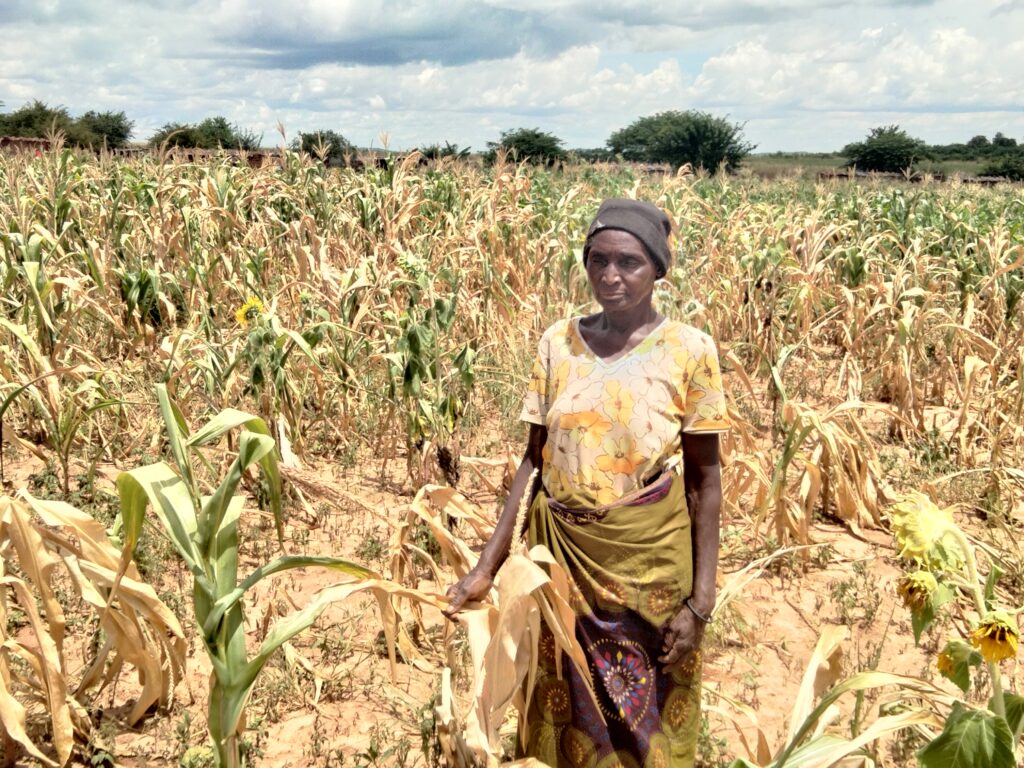
The El Nino effect has had a massive impact on the rainfall across Malawi, Zambia, Zimbabwe, and some parts of South Africa as well. It’s been a devastating year for the harvest.
The rain didn’t come on time, and very little rain came to actually support any growth at all for the harvest. Zambia lost over nearly two-thirds of their harvest across the whole nation, and Zimbabwe are in the same situation.
I’ve been to areas where vegetation has just been completely wiped-out.
It’s affected the communities we work in greatly, especially in rural locations, where they’ve been dependent on either surface water or low-lining wells (down to 30 meters).
It’s affected the communities we work in greatly, especially in rural locations, where they’ve been dependent on either surface water or low-lining wells (down to 30 metres). The water levels, underground have dropped from around 30 metres down to 120 metres. Most villages do not have the ability to draw water from deeper wells, so they’re having to walk, in some cases 25 kilometres a day, to fetch water. The little rainfall they have had has been very sparse – only 20% of what they’d usually get. It’s not even helped them with growing vegetables.
Feed The Hungry are responding to the problem on a number of levels.
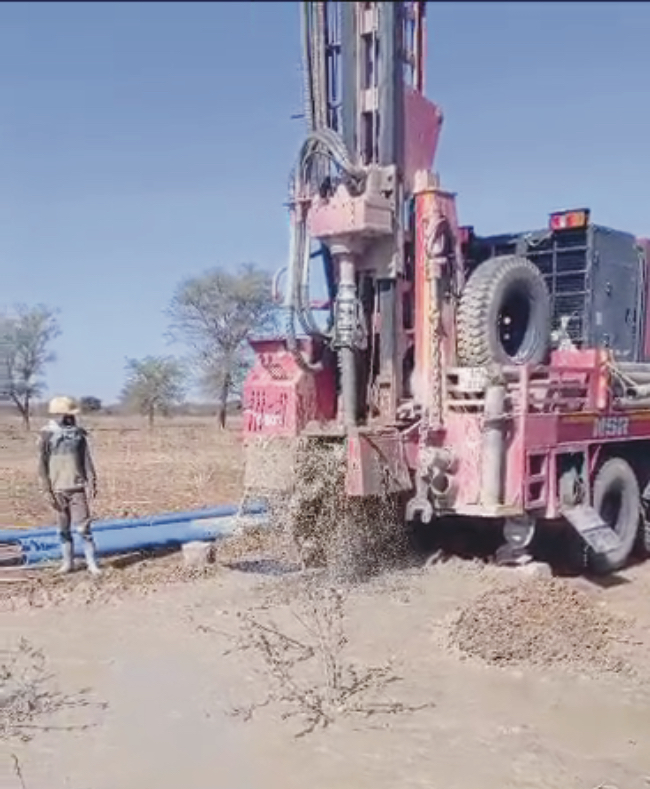
We’re providing water wells in the areas that we’re working in, which is in the southern province of Zambia and south of Harare in Zimbabwe. Drilling deep wells gives some source of water to those communities. We’re drilling new wells fairly regularly at the moment, in the hope that it will help the next growing season.
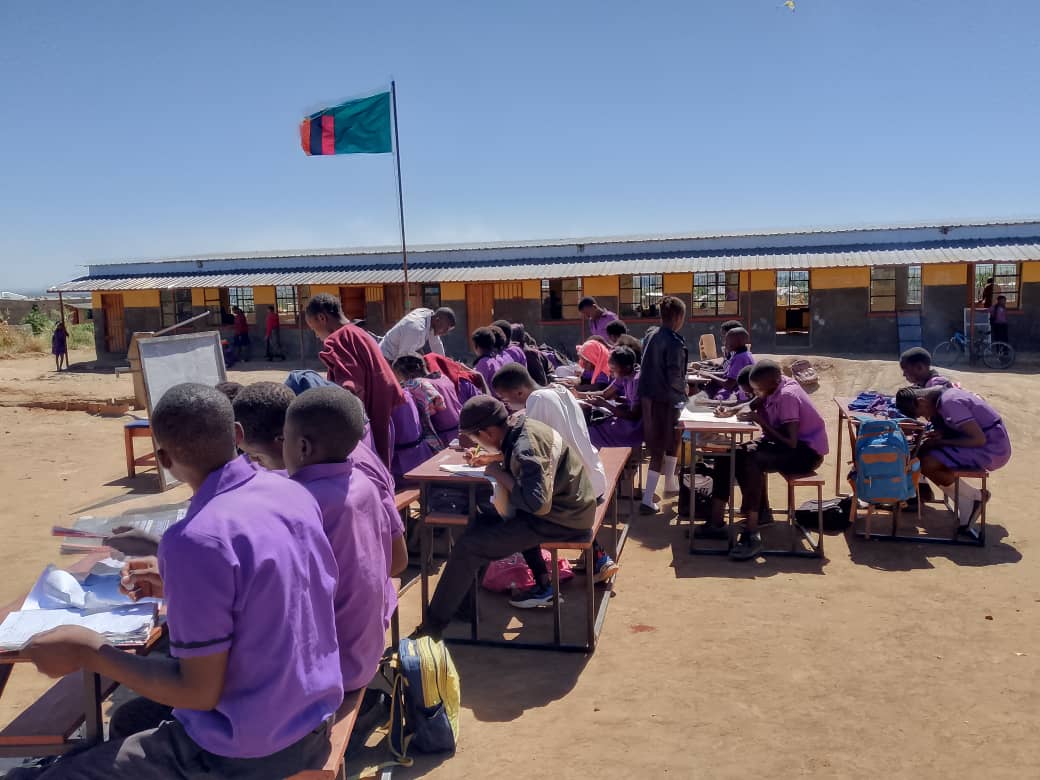
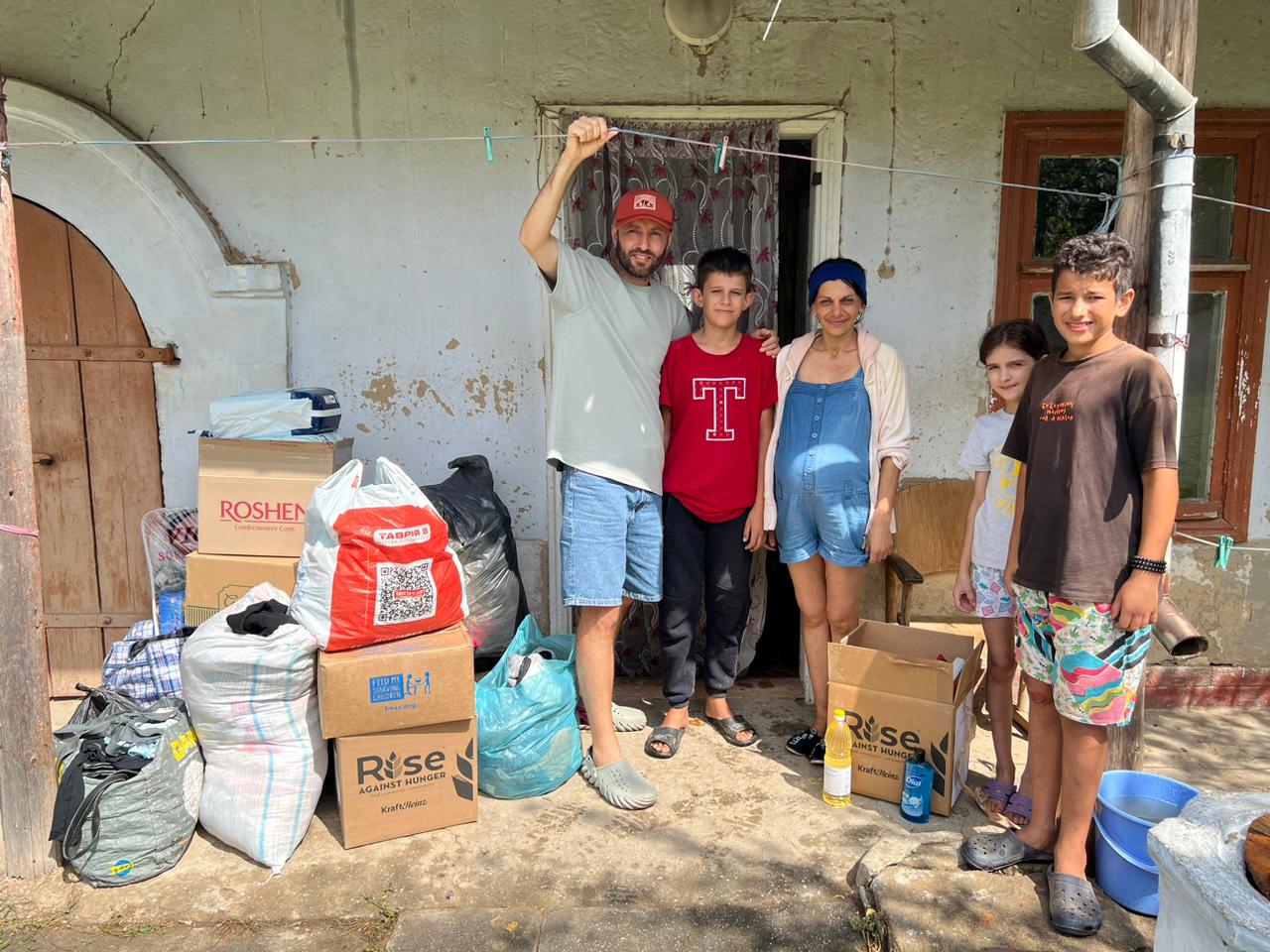
We’re also distributing rice meals to help in some communities where they really have nothing to eat. In the school in Zimbabwe that I visited at the start of the Summer, we had to transfer a lot of food from the city down to more rural areas that had been impacted.
The Mayor of the area was coming and asking for food for the children because they were fainting out of hunger while walking to school. People haven’t got the retained strength in their bodies to do just normal things like walking to school.
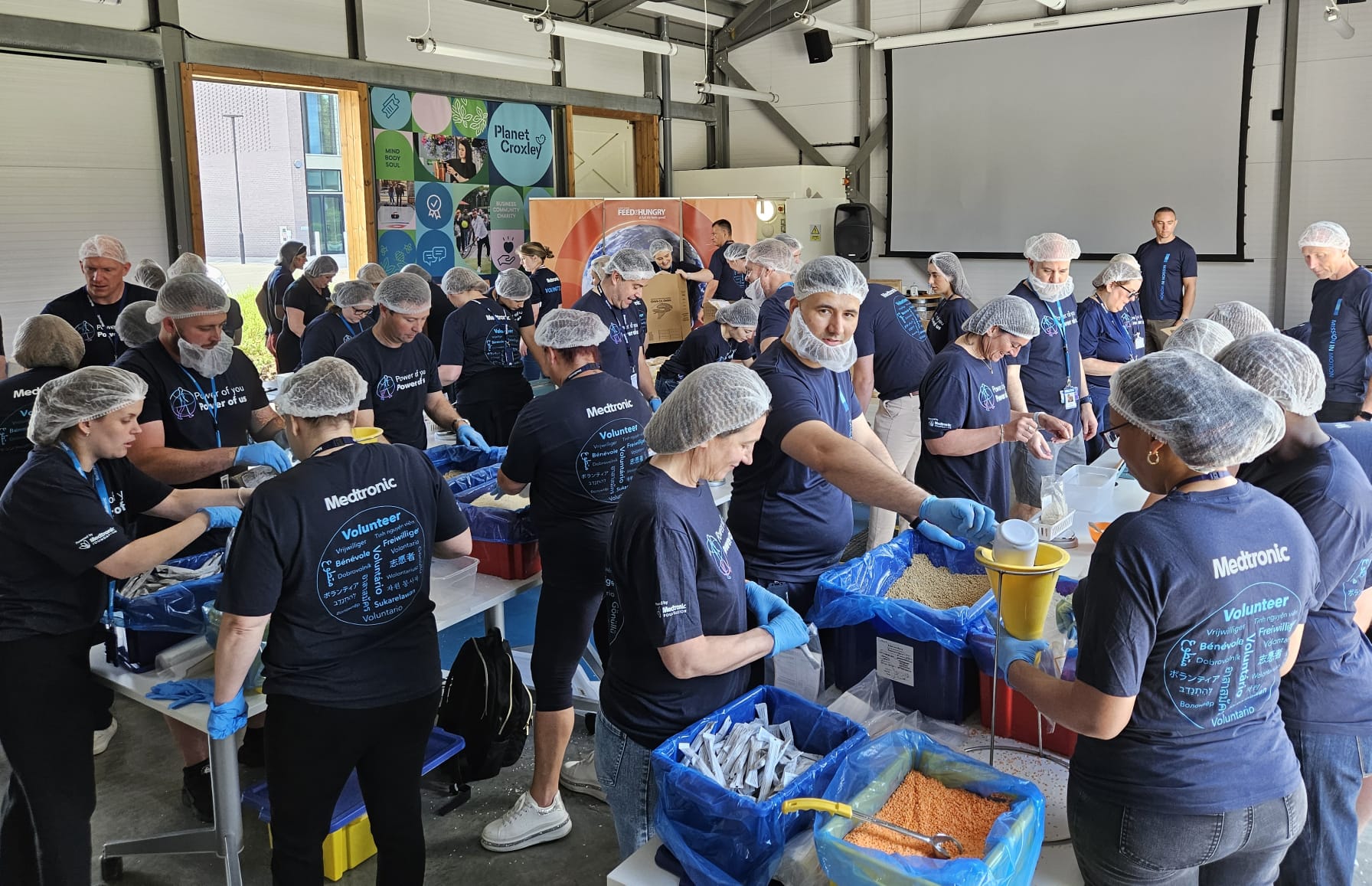
The rice meals have come from the UK, Europe and the USA, but we’re also buying, where we can, local milled flour and beans. However, this is becoming a lot more costly day-by-day as it becomes more scarce. Experts have said that the continent of Africa can’t continue to rely on wheat, maize, and rice as its staple foods.
But amongst all of this, we’ve seen hundreds of people come to know Jesus; some of them just out of pure thankfulness that God’s people have reached out to them, and bought food and shown them a different way of life.
The farming practices that we teach in Africa are based on a Christian farming programme; teaching them how to thank God for what they have and thank God for the resources that they are provided with, and seeking God for wisdom and strength to be able to work in both hard and good times.
We are seeing people coming to know the Lord through the programme; we present the Gospel through the training, and showing them love.
Join us in cultivating change by supporting sustainable farming and providing clean water today!