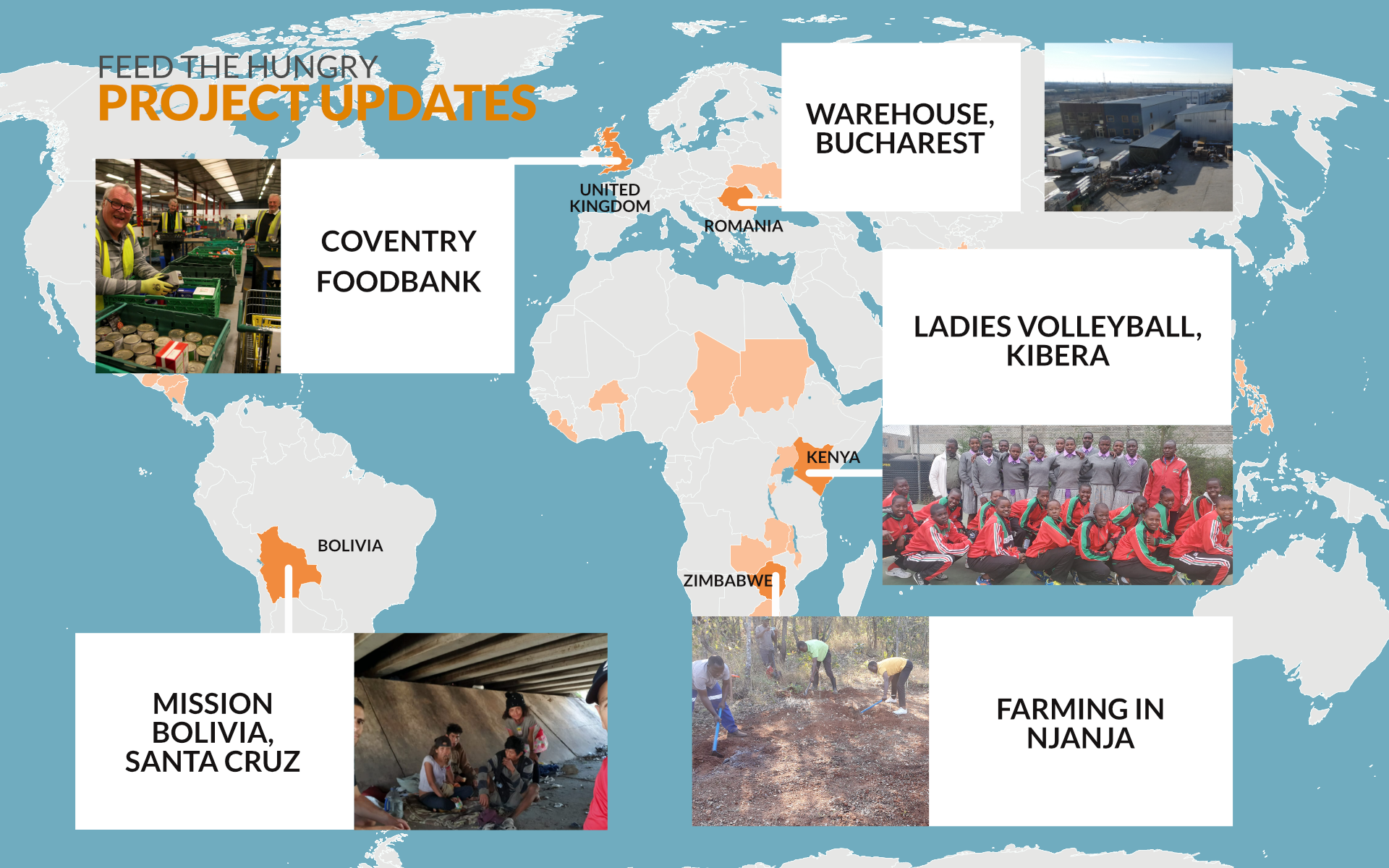
One of Feed The Hungry’s core aims is to bring people and communities to a place of sustainability; that is, becoming more self-sufficient and independent. Throughout 2023, we’ve had the opportunity to begin developing such a project in Njanja, Zimbabwe.
Njanja is a rural community, some four hours drive from the capital city of Harare. The tribes who live there have faced increasing challenges in recent years as increasing temperatures and unpredictable rainfall has led to poor crop yields and an increasingly insecure food supply.
Partnering with Foundations for Farming
Working with farming charity, Foundations for Farming, who are based in Harare, and our local partner in Zimbabwe, The Joseph Foundation, Feed The Hungry has begun a community farming programme to help the communities living in Njanja to be able to farm in these increasingly challenging conditions.

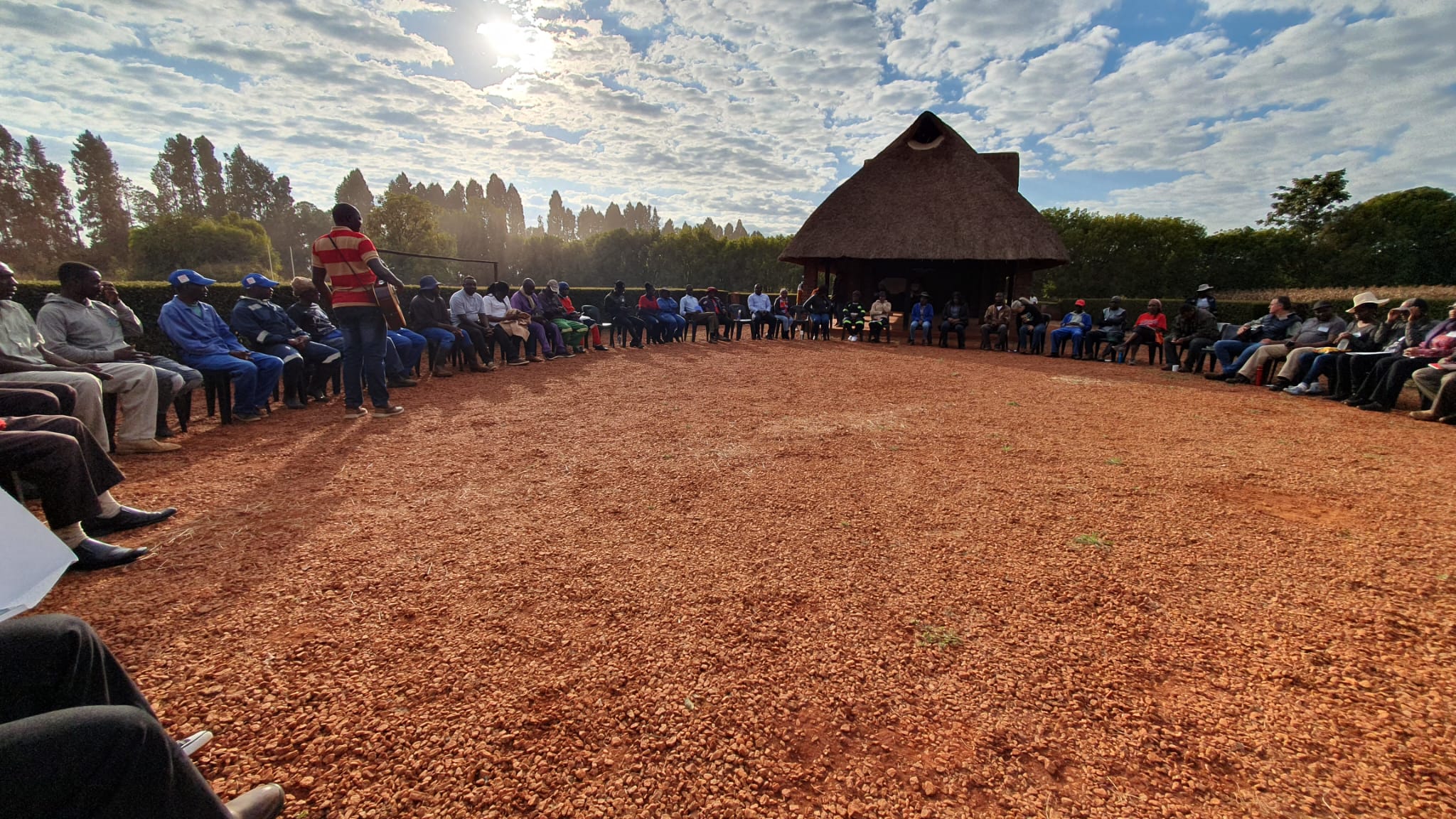
In June, Gwyn Williams travelled to Zimbabwe to take part in a Foundations for Farming training week, alongside staff and volunteers from The Joseph Foundation. The course covered a methodology for growing food using plots of land, from which sufficient maize could be grown to feed a family for an entire year.
Give a gift to help Zimbabwean farmers.
Foundations for Farming have been developing and refining their techniques for over 20 years, and have a strong track record for being able to cultivate growth in some of the harshest environments. They use tried and tested systems for keeping moisture from escaping and protecting the crops as they grow, season after season.
Establishing a Farming Community
The training received at Foundations for Farming was then taken to Njanja, where a community farm is being established. The methods learned are passed on to local people, helping them to be able to farm more effectively and efficiently.
“We’re just about to start the new farming season”, shared Gwyn, “and these techniques are going to be vital during the coming year.”
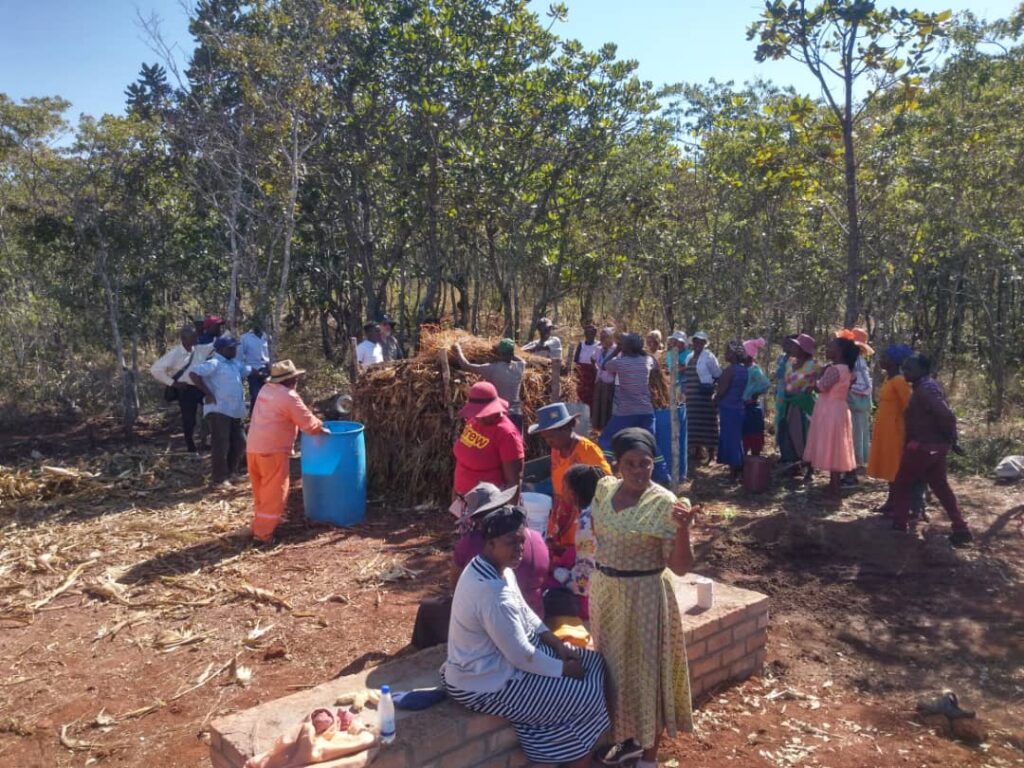
To help the Njanja farmers to be able to cultivate their land, Feed The Hungry are looking to supply farming kits to them, containing fertiliser and nutrients, to help the first season of growth. These farming kits cost just £50 and supply enough resources to be able to help grow enough food to feed a family for an entire year. Farming season starts at the end of October, and we’d like to put as many kits into the hands of farmers as possible for the beginning of the season.
Help supply farm resources into Njanja and other similar communities in Zimbabwe.