God’s Provision in Turkana, Kenya
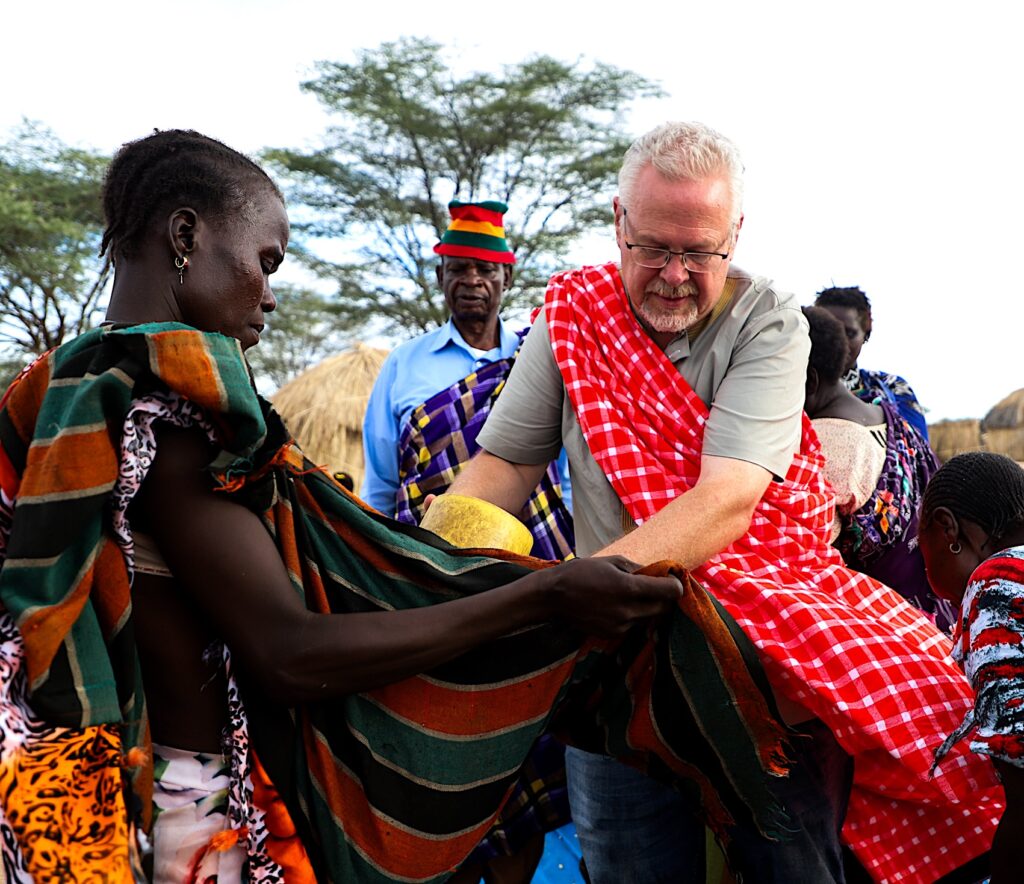
Earlier this year, many of you responded generously to our emergency appeal to send maize to Turkana, in Northern Kenya – one of the most remote and drought-stricken regions on the continent. Thanks to your incredible donations, Feed The Hungry was able to buy and transport 11 tonnes of maize, providing emergency food to more than 500 families in desperate need. This is the story of what happened when that food arrived.
A Region in Crisis
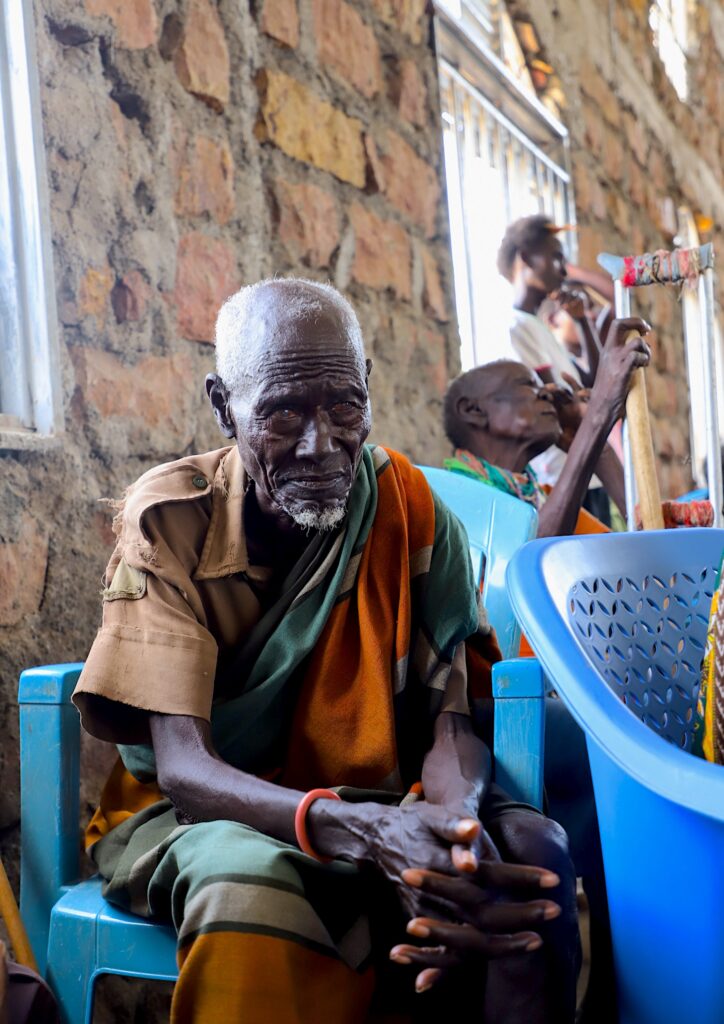
Turkana has always been harsh. But prolonged drought has turned a hard life into an impossible one. Across the region, men have been forced to take their herds into Uganda in search of pasture, leaving women, children, and the elderly behind. Thousands have migrated to Lodwar – the region’s main town – in search of food and aid, building makeshift shelters from sticks and plastic sheeting, with temperatures regularly reaching 40 to 50 degrees.
Gwyn Williams, Feed The Hungry’s former CEO, and now Ambassador to Africa, witnessed the crisis first-hand. “The extent of suicide has quadrupled,” he said soberly. “People would rather die than starve.”
A refugee camp 50km from Lodwar, already housing over 300,000 people displaced from South Sudan, Eritrea, Pakistan and beyond, has been pushed further to the brink following the withdrawal of USAID support – adding still more pressure to an already overwhelmed region.
Feeding the Children
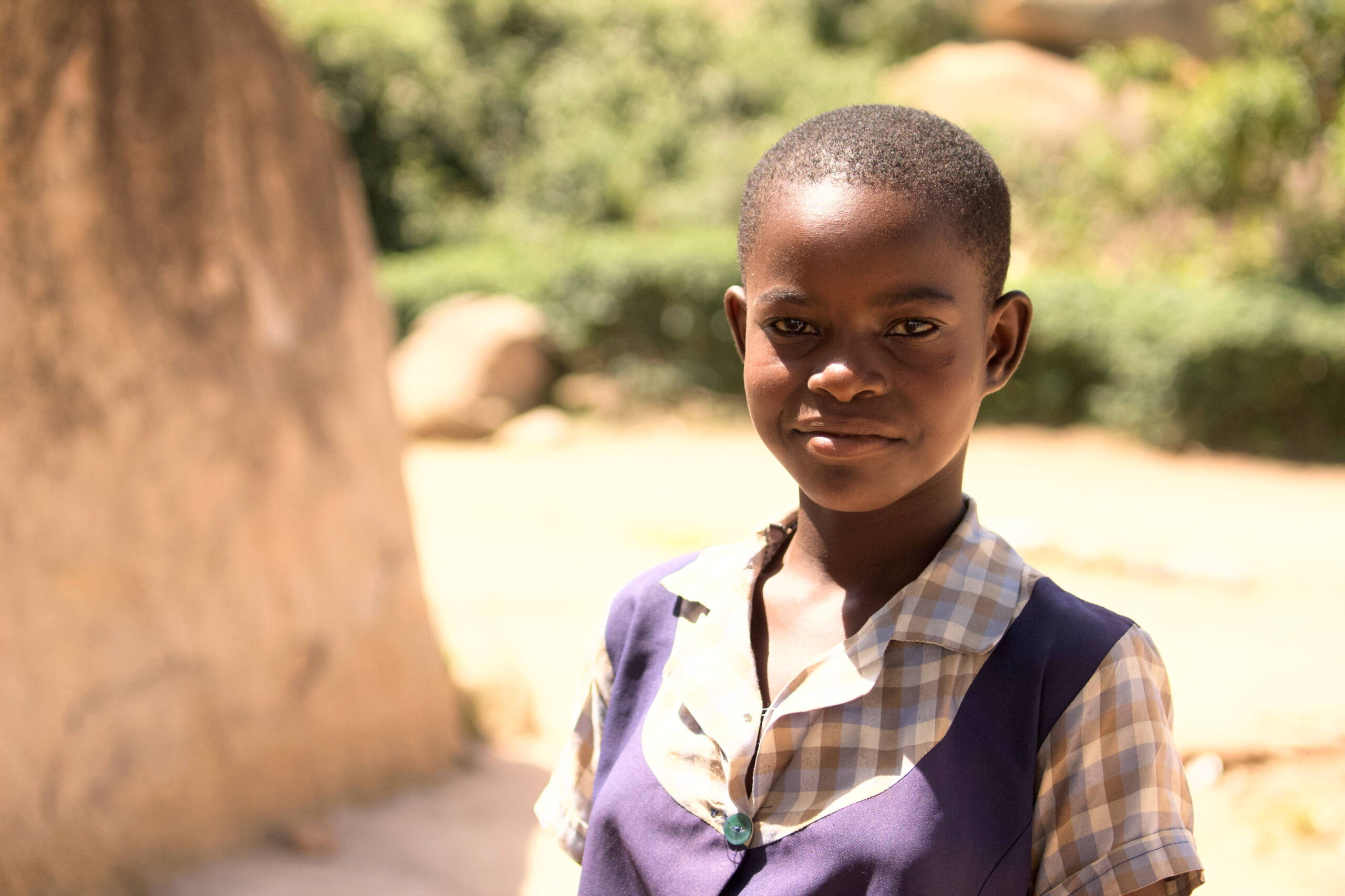
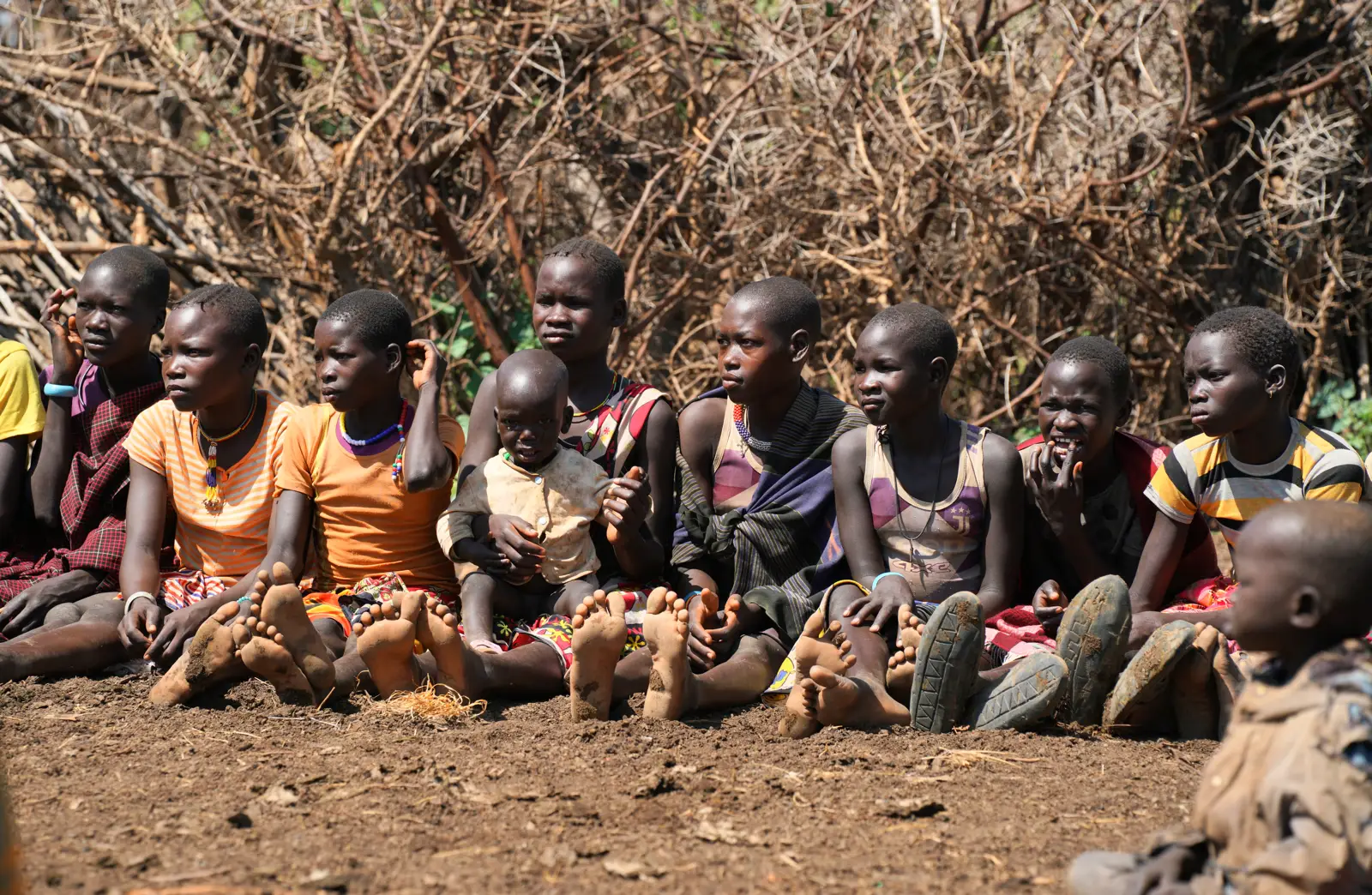
In the schools around Lodwar, Feed The Hungry is currently reaching over 3,500 children with a specially formulated porridge made from sorghum, cassava, and maize. For many of these children, it is the only food they will receive each week.
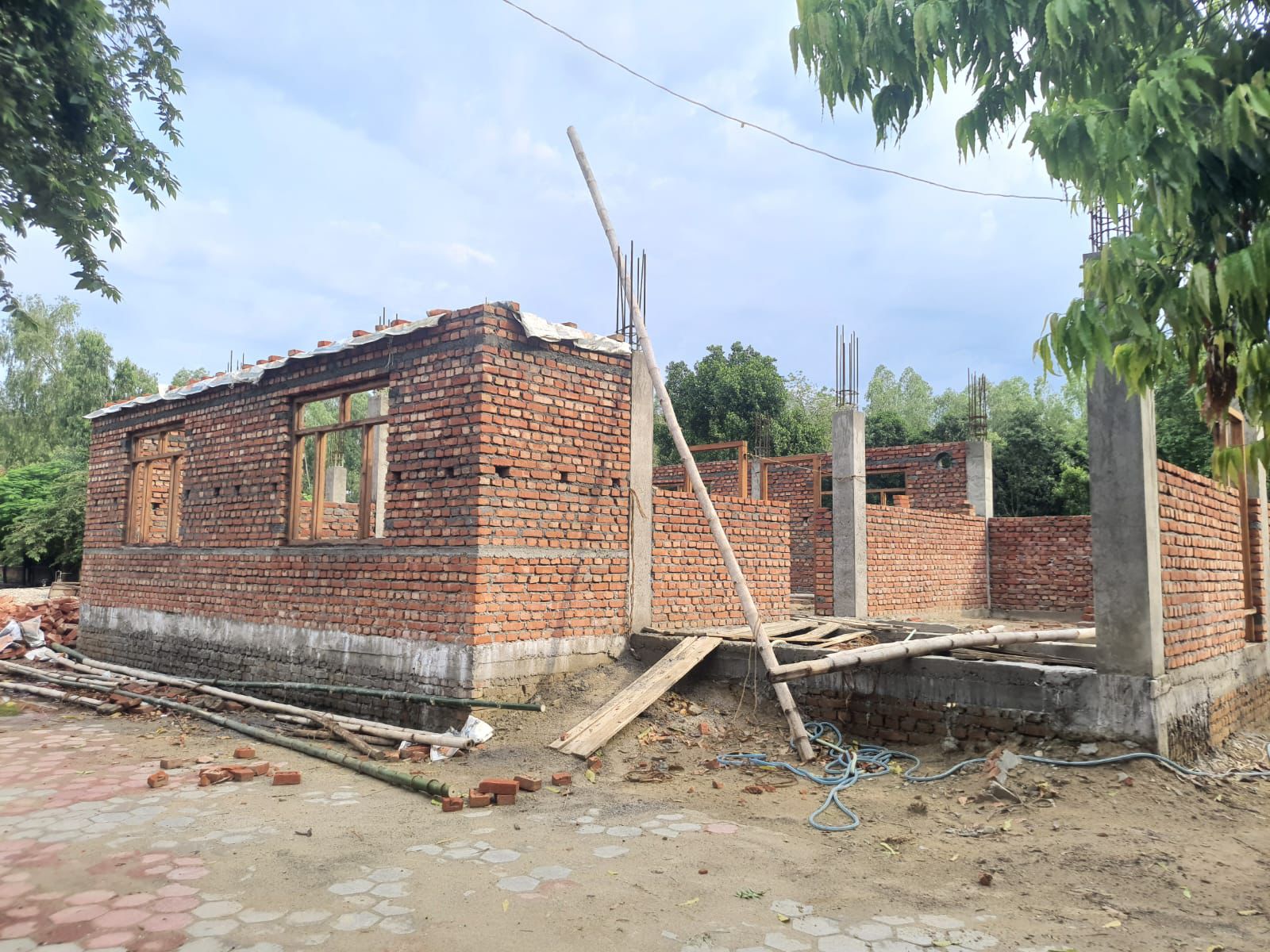
The schools themselves range from well-constructed metal-roofed buildings to simple mud huts serving thirty or forty children in a local settlement. Lessons are held in the early morning, before the heat becomes unbearable. Many children arrive barely clothed. The need is as raw and urgent as it gets.
WHEN GOD SHOWED UP
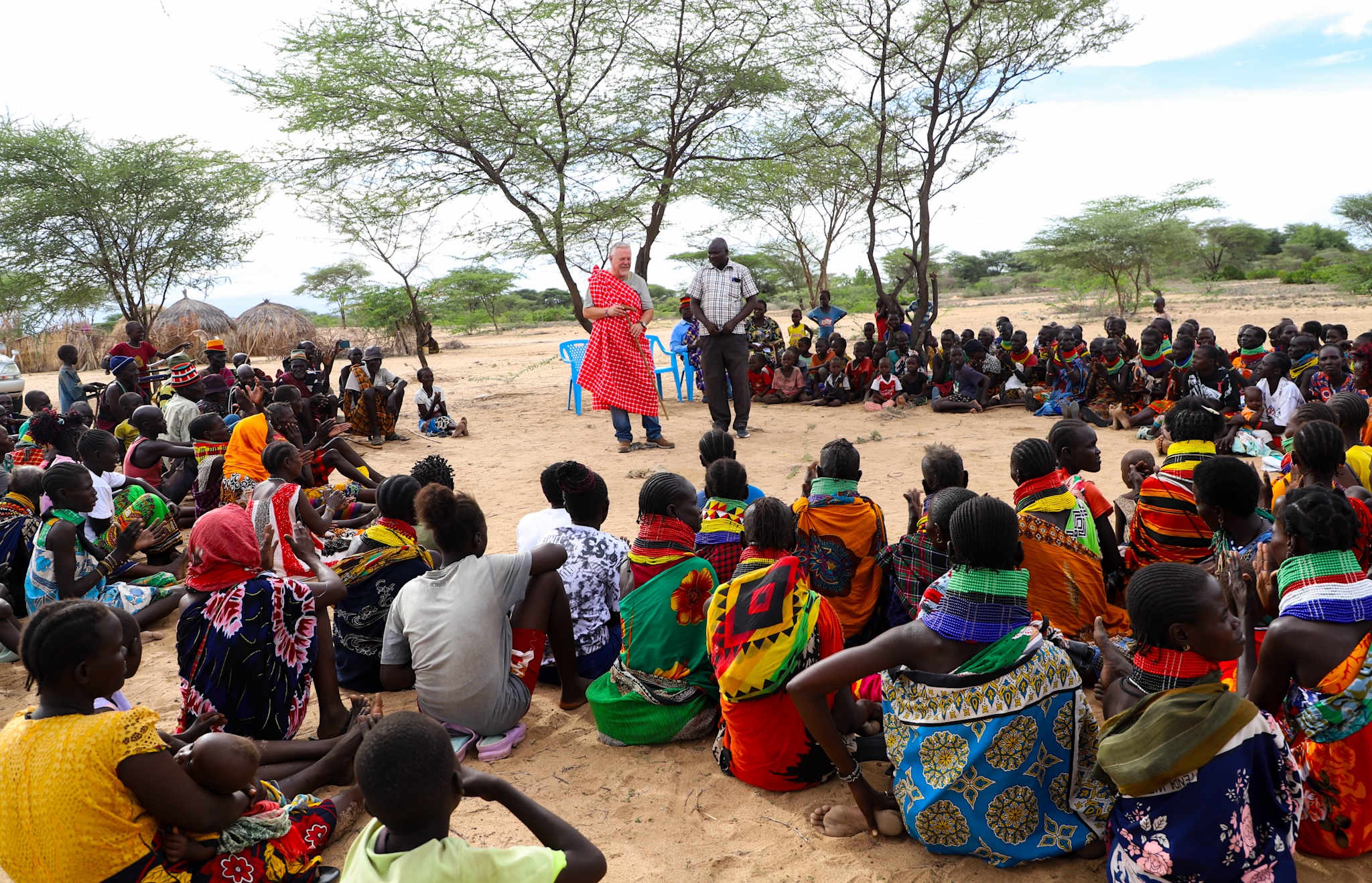
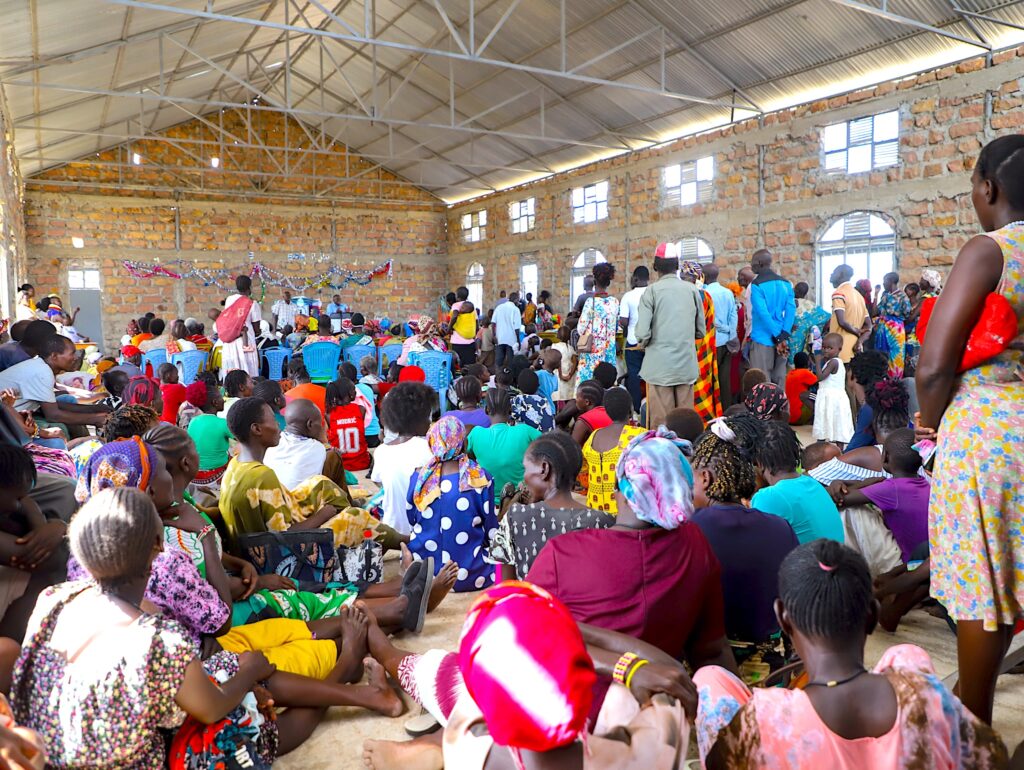
The emergency food distribution took place at a local church in Lodwar – a deliberate choice, Gwyn explains, “as an acknowledgement of God’s gift to the people of Turkana.” Over 800 people packed inside: young children, elderly men and women, many disabled, most having travelled from remote villages where English – and even Swahili – is unknown.
Gwyn was invited to speak. With two interpreters at his side, he began sharing a message of God’s love and provision. But something extraordinary happened. As Gwyn preached, the interpreters stepped back. The congregation kept responding – praising, weeping, raising their hands. It was only the following morning that Gwyn discovered why.
“We stopped interpreting,” his colleagues told him. “Because they understood what you were saying.”
In a room where almost nobody spoke English, God had made Himself understood.
“It was one of those moments of feeling truly humbled,” says Gwyn, “knowing that the full presence of God was reaching out to these people in their distress – wanting to bring a message of hope into their hearts that they could understand.”
Reason for Hope
The crisis in Turkana is far from over. Climate projections are bleak, and the region lacks the agricultural knowledge or seeds to take advantage of the recent rainfall. But Feed The Hungry is working with local government on long-term sustainable solutions – exploring wind energy, water extraction from Turkana’s vast underground aquifers, and food production programmes to help transform the region from the ground up.
In the meantime, thanks to a generous donation from Feed The Hungry Australia, further food distributions are already being planned – reaching further into the villages and communities in Turkana that need it most.
Please pray for the people of Turkana – and for wisdom as Feed The Hungry works to, in Gwyn’s own words, “turn deserts green.”
Support Feed The Hungry’s work in Kenya.