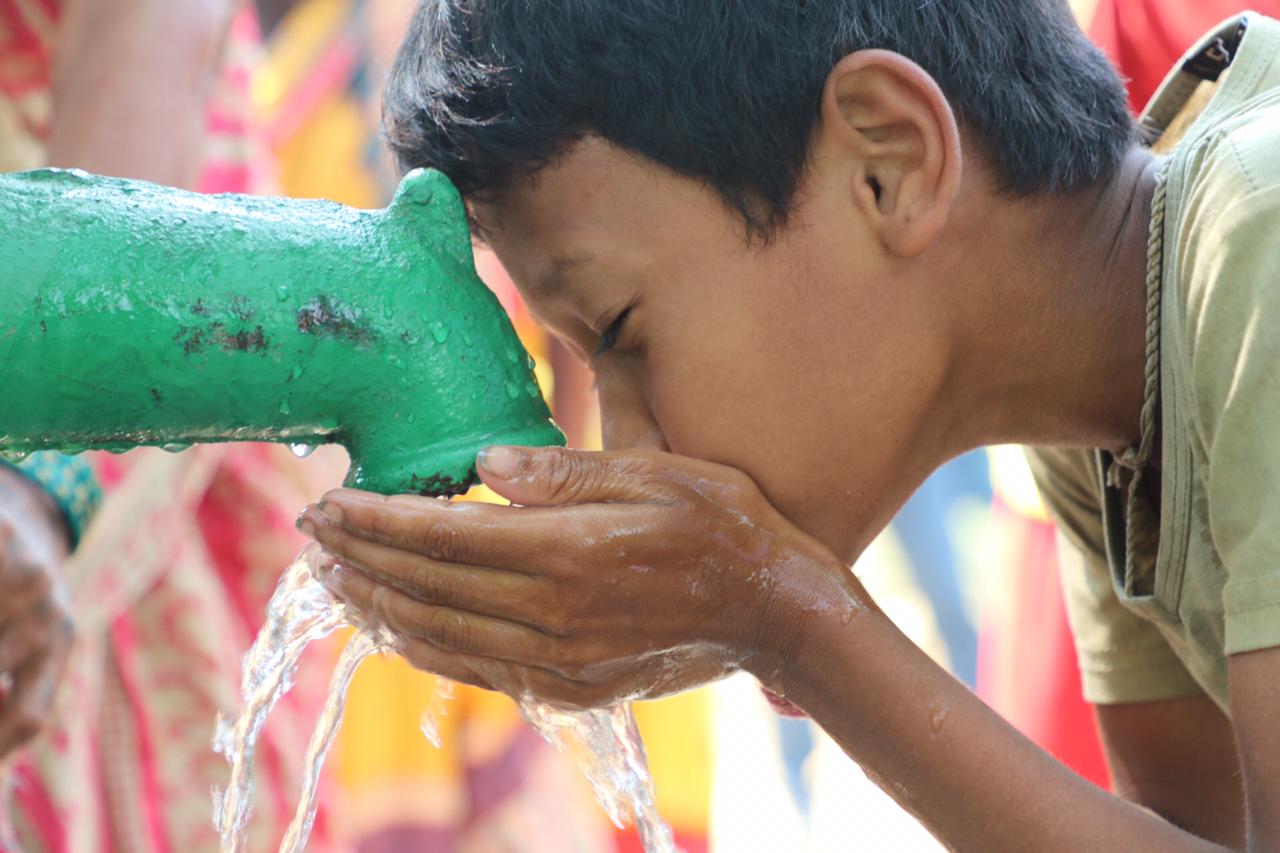

Kibera in Kenya is the largest urban slum in Africa. Leaving the poverty of the countryside, it is the first stop for many people arriving in Nairobi looking for work. The population is therefore very transient. Living in 6ft square houses made from scrap materials with a blanket for a door, the slum has no water or electricity, with open sewers running through the alleys between the houses.
Children growing up here live in abject poverty – and are malnourished from a lack of food.
Key Stats
Population:
57 million
Life expectancy:
70 years
Below poverty line:
36.1%
Children under 5:
11.2% are underweight
4.4 million severely food insecure
Literacy rate:
82.6%
Stats from The World Factbook.
Feeding the hungry in Kenya
Soweto Academy in Kibera is one of the most respected schools in the country. It gets high results every year, and yet its intake is from the impoverished families of Kibera.
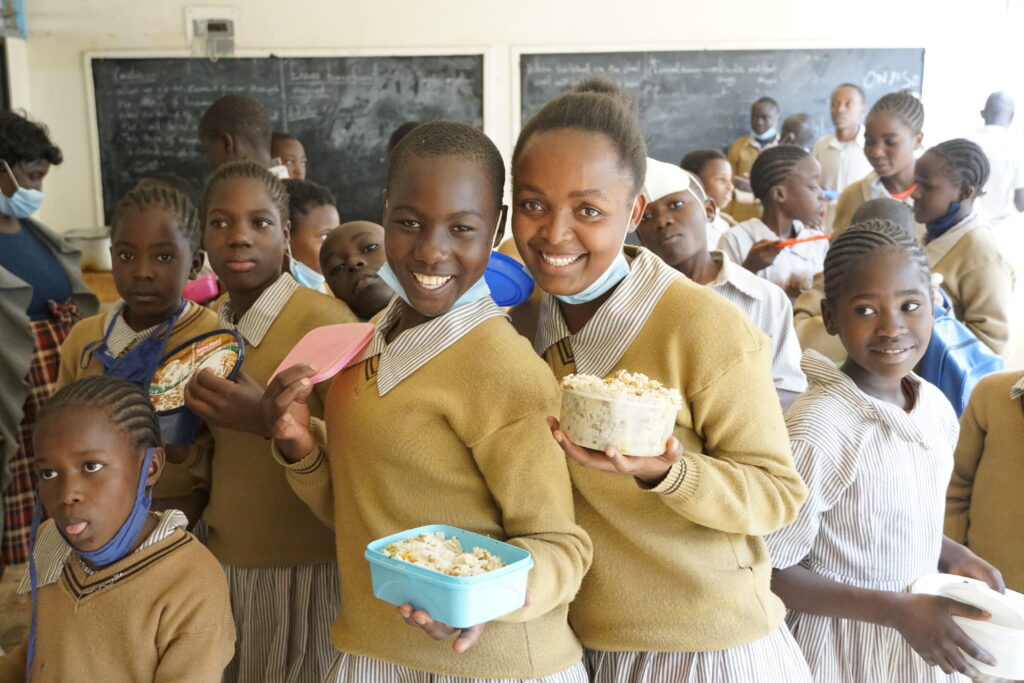
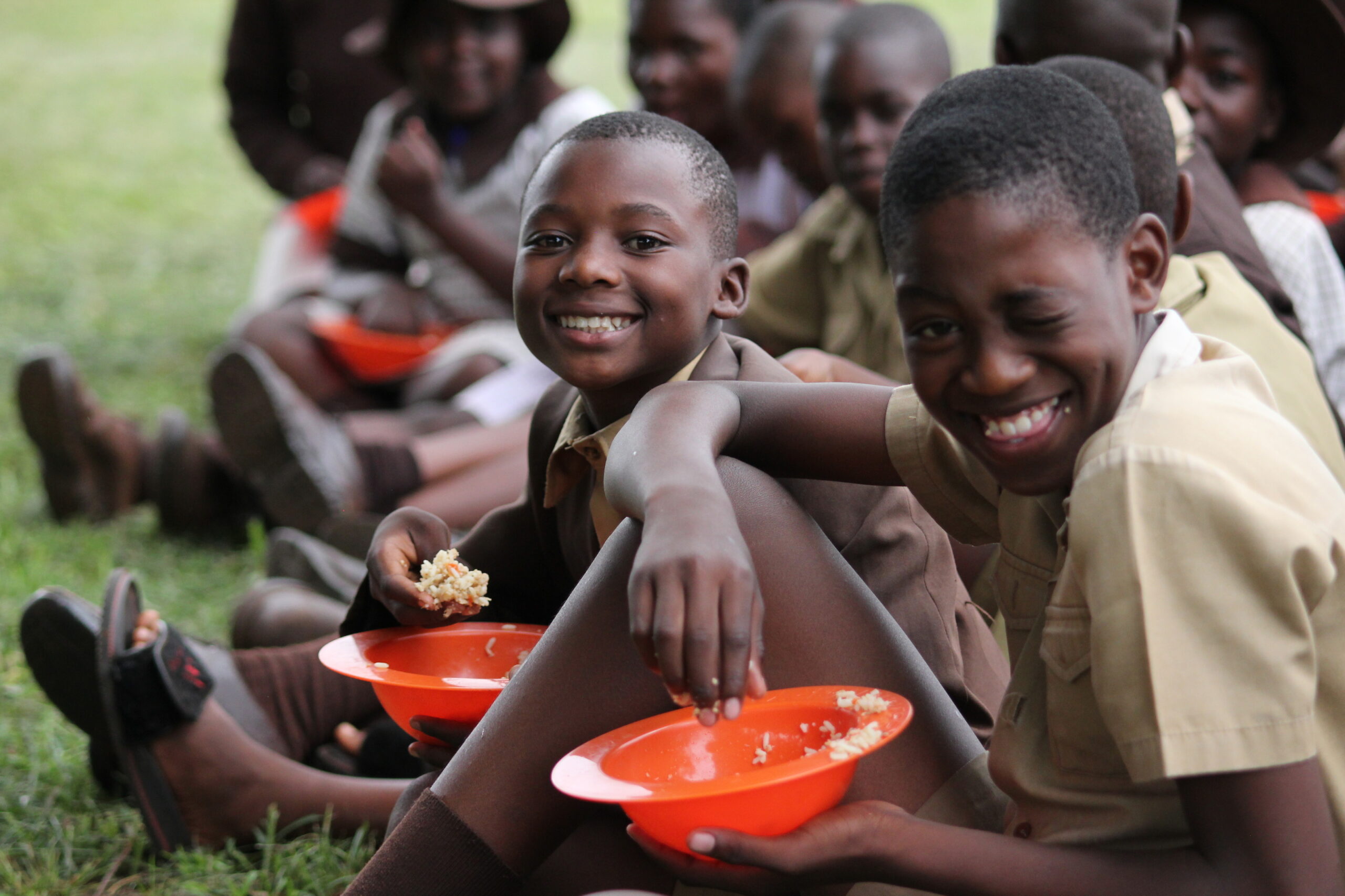
Our partnership with Soweto Academy means that every child receives a meal alongside their education. The nourishment of this food is vital for their learning, enabling them to achieve high results. This is especially important when many children in Kibera won’t receive any meals at home – their meal at school is their only reliable meal.
“A bit of magic in the middle of poverty.”
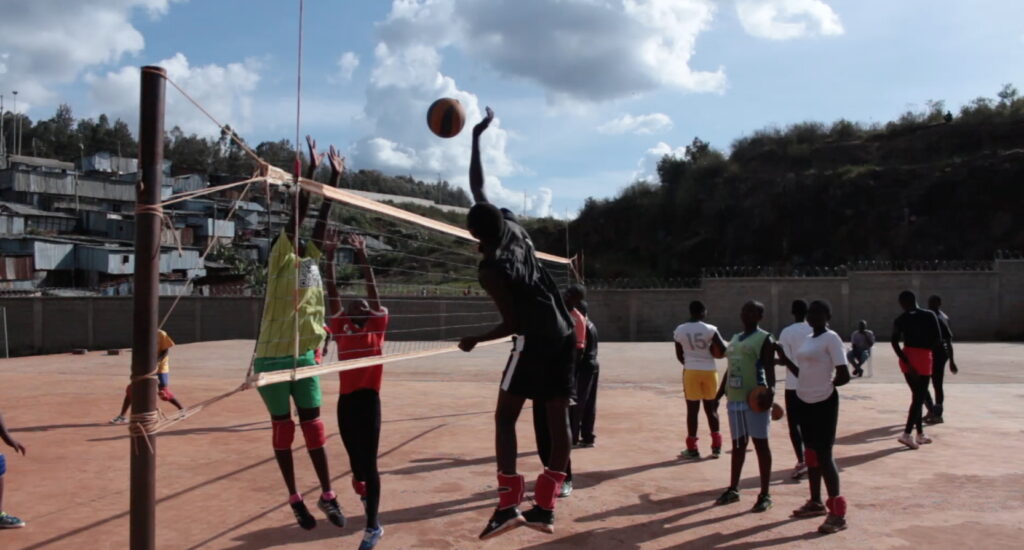
Soweto Academy has a girls’ volleyball team. Extraordinarily, it is now the national under-18s volleyball team. The national team’s volleyball coach travels regularly to train the girls in the team. As the girls will tell you, their success would have never happened without the food they receive at school.
Sheltering girls in vulnerable situations
There is a complete lack of social structures within the slum to help families in dire need. This leaves girls around 13 or 14 years particularly vulnerable to abuse, child marriage and prostitution. Chris Okumu, the founder of Soweto Academy, saw the need for a safe space for girls at this vulnerable age. So, he built a safe house for these girls with over 200 dormitory beds.

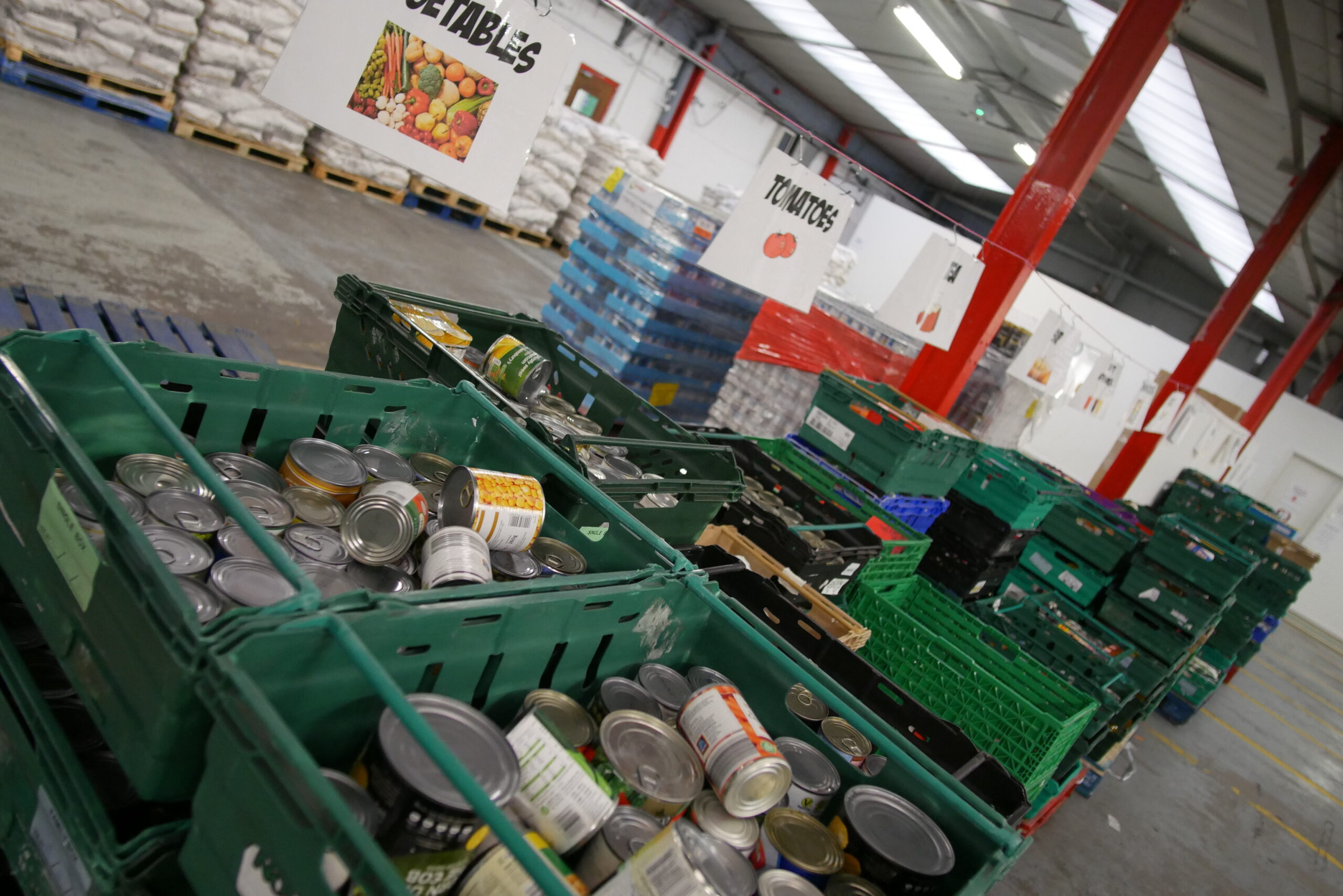
One particular group of girls are those from the Maasai tribe. With the heavy drought, Maasai families become desperate for food. This leaves their girls vulnerable to being sold off. By sending out food to the Maasai people and providing a safe space for the girls to continue their education, our partnership with Chris has protected and nurtured many children’s lives.
Further the work of Chris Okumu and the Soweto Academy. Give a gift today to feed and shelter these impoverished children and see them flourish.