The turmoil that followed the end of colonialism in 1980 saw Zimbabwe decline into poverty. A long rule by Mugabe of over 30 years brought increasing corruption and instability and has been followed by a period of political turmoil.
The large industrial farms from the colonial era were handed back to the people as it entered independence, but the people who received it didn’t have the skills or resources to farm it well. With regular droughts as well, Zimbabwe faces significant food insecurity. It is also a sanctioned country, preventing internal and external resources from being built up. Today, poverty is a continuing and widespread challenge, with the accompanying factors of malnutrition, lack of education and poor healthcare.
Key Stats
Population:
15.4 million
Life expectancy:
63.8 years
Below poverty line:
38.3%
Children under 5:
9.7% are underweight
Food insecurity:
3.8 million people
Stats from The World Factbook.
Helping Zimbabwe
Our partner Elna is based in Harare, the capital of Zimbabwe, particularly in the Epworth slum area. This area of Harare is a neglected suburb that hadn’t come under the government’s plans at all. The schools there were crying out for help as they served many impoverished children in the region.
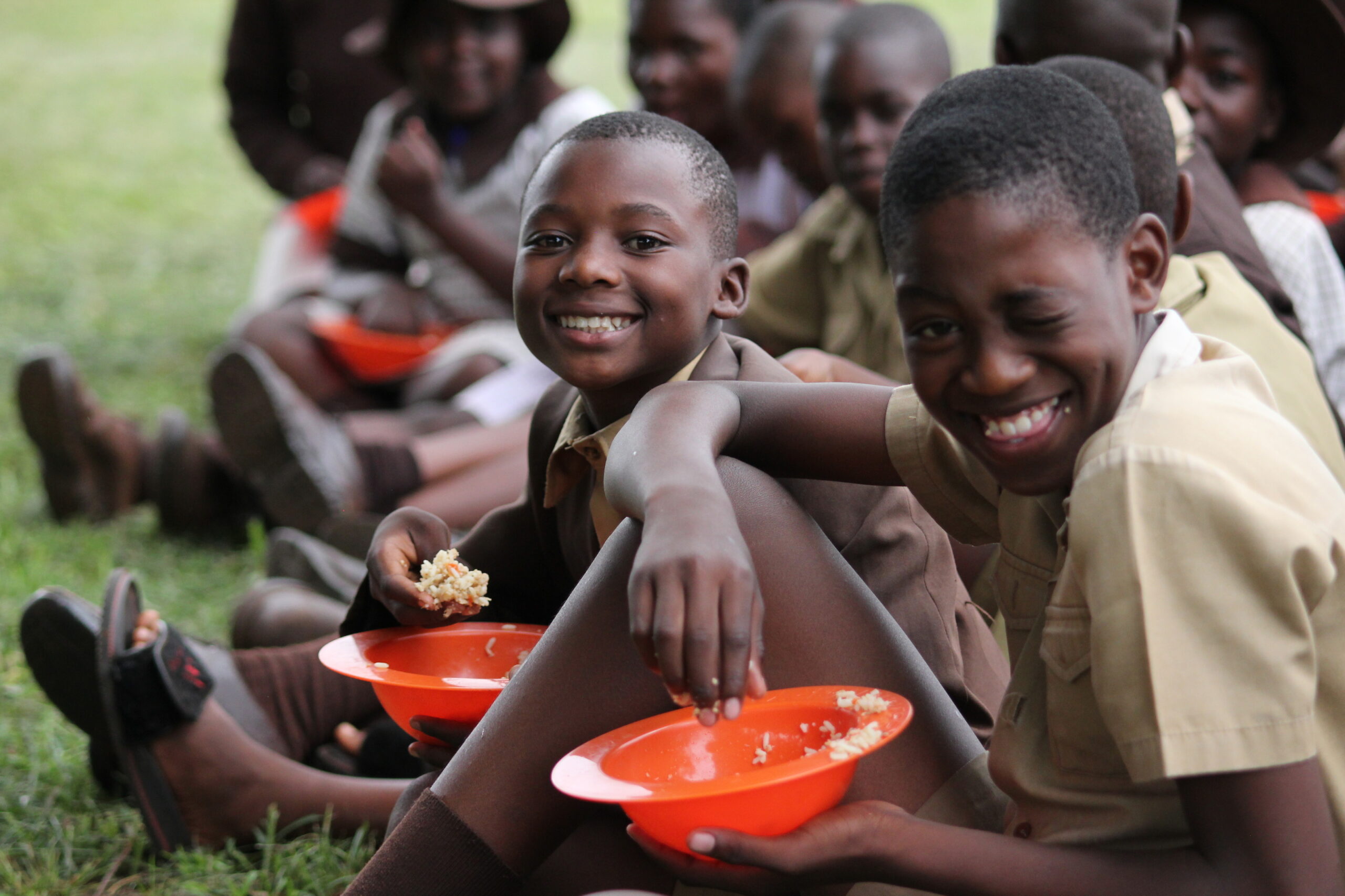
With Elna, we feed over 15,700 children in Epworth through local schools. This includes some government schools where Elna was asked by local government to step in and help.
As well as feeding every child at school, we work with local nutritionists to identify children who are particularly malnourished. These children can be offered extra support, such as regular food parcels for their families.

“I met *Hope while visiting Feed The Hungry’s partner school in Epworth, Zimbabwe. She lives with her grandmother, aunt, sister and 2 cousins in a basic brick shack. Her parents have both died. Neither her grandmother nor her aunt have regular work, so the family often go to bed without eating anything.
Her circumstances really brought home to me the importance of our work. The simple, nutrient-packed meal Hope receives every day at school is frequently her only meal of the day. That daily meal costs a mere £5 per month. A small price to pay to prevent a girl from starving.
Even better, coming to school 5 days a week for that one meal, she gets the opportunity to learn skills that will lead to a better future.”
Rich Smith, Feed the Hungry UK Communications Manager
Serving the least, the last and the forgotten
Elna also works with a local church who are running a disability project. The children in this project have a wide range of needs, from albinism to cerebral palsy. They face daily discrimination because of their disabilities.
The culture around them views their families as cursed because of their child and pushes them to the edge of society. Providing food security for these families leads to better health and wellbeing so that the project can help improve their long-term prospects.
A more stable future
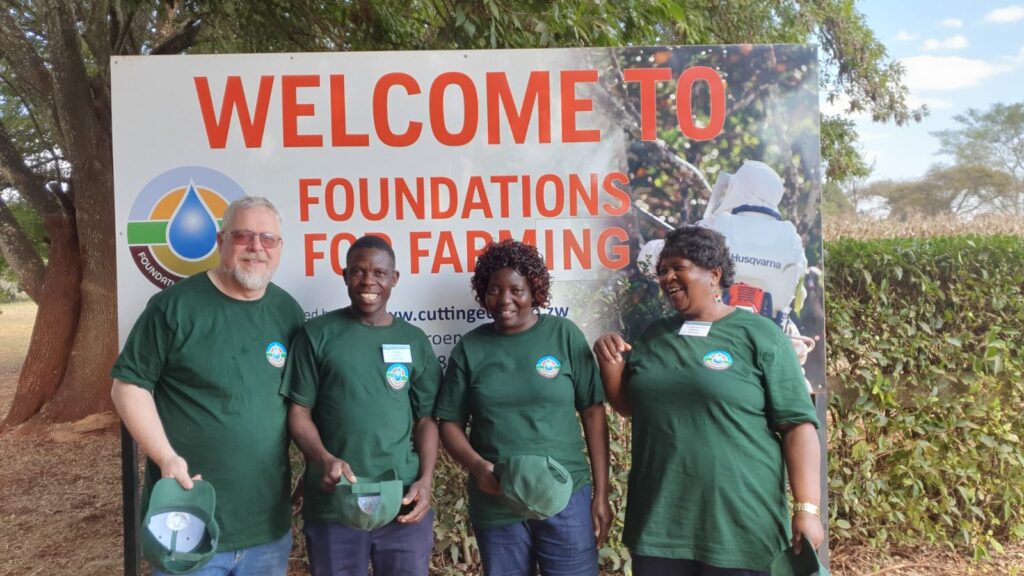
Alongside Elna, we are part of a food growing initiative called Foundations for Farming. This initiative trains farming communities across Africa. Each trained farmer then takes their knowledge back to their community to train others. In Zimbabwe, four farmers were trained initially, and have now returned to their community in Njanja to train other farmers.
Over time, an increasing expertise in farming will improve the food security of Zimbabwe and gradually become an income stream as food is sold beyond their own borders.
The growth of this programme will improve the future self-sustainability of communities in Zimbabwe, insulating them against further environment shocks and providing a healthy foundation for the next generation.
Support Elna as she feeds thousands of children through schools in Epworth and builds a more stable future for the wider region.