‘Rat Catcher’ or Musahar tribes in Nepal are considered the lowest of the low. Although discrimination was made illegal in 1962, decades of the Nepalese caste system has resulted in a hierarchy deeply woven into some people’s minds. Those at the bottom are considered even lower in status than animals.
Musahars have no official status in Nepalese society. They are not allowed to own anything and often have no documentation. The Musahars are often seen as outcast: not worthy of attention or help. They are financially poor, without access to education. Hunger is a normal part of life for many Musahars.
Key Stats
Statistics on Nepal as a whole do not truly reflect the poverty faced by Musahars. There are very few studies on this unrecognised tribe due to their status in Nepali society. The below gives a picture of the circumstances faced by the Musahari people.
84% face moderate to extreme food insecurity
Access to water source:
47.4%
Most children leave school during primary years
Basic literacy rate:
20.1%
Stats from Livelihood Study of Musahar Community, International Labour Office Nepal’s Dalits and Labour in Nepal: Discrimination and Forced Labour and The World Factbook.
Feeding the hungry in Nepal
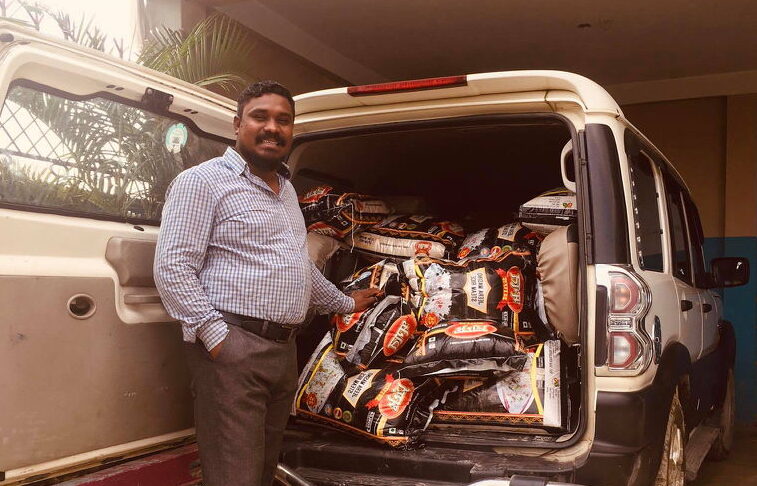
In Nepal, Pastor Ruben Rasaili runs a school for the children from these tribes, as well as orphans. Currently 650 children attend ‘Innovative Academy’, free of charge. Many of the children come from seven surrounding Musahari villages.
At school, the children are taught the English language which can help them to access higher paid jobs in the future.
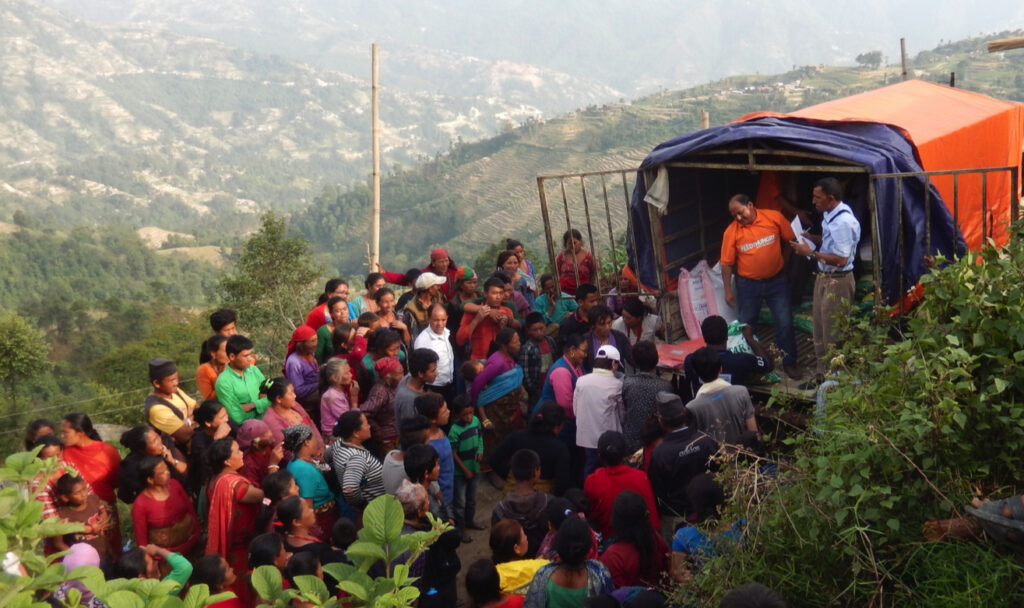
Feed The Hungry has supported Pastor Ruben for several years. This includes his regular work in the school and also disaster relief, in response to an earthquake and severe flooding in the past 5 years. The country’s climate and geographic location makes it prone to natural disasters.
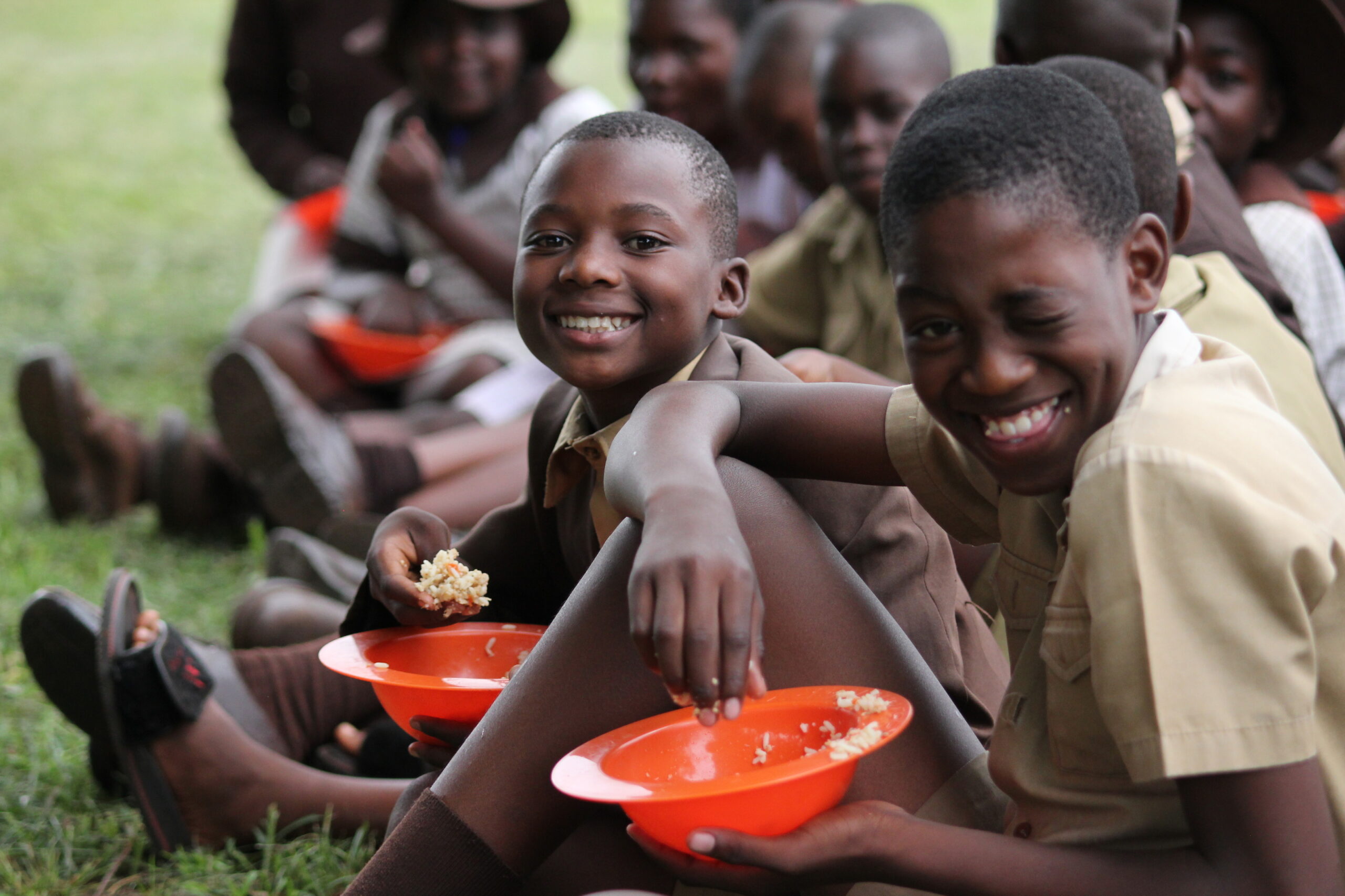
The food that is provided by Feed The Hungry and served at Innovative Academy is all sourced or grown locally through a farming programme established with Pastor Ruben. With support from Feed The Hungry, Ruben feeds the children from the farm and sells the extra food to support the school.
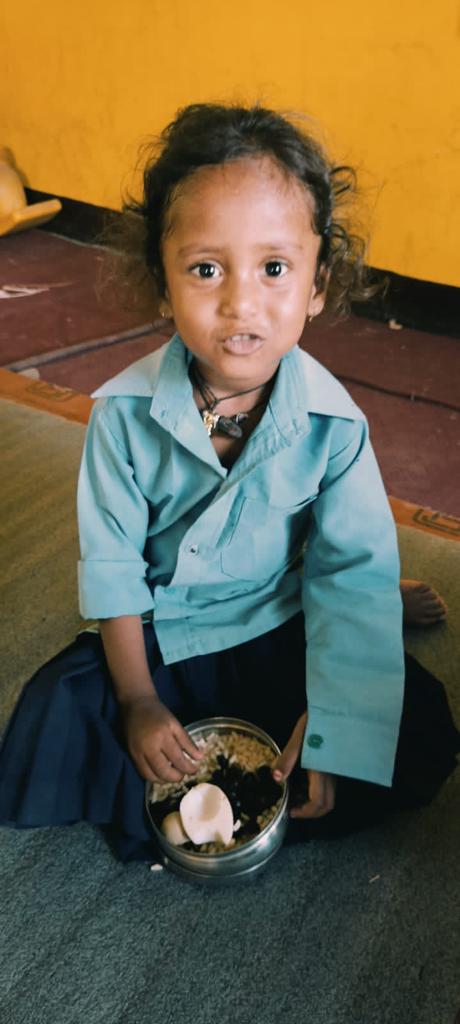
*Victoria is a 5-year-old girl born into a Dalit tribe. She lives with her mother and her brother in a grass hut. Her mother works in construction and can only afford two small meals a day for the family. Victoria used to be weak, having just one lunch and dinner.
But our feeding program now provides her most-needed nutritional meal, making her healthier and allowing her to attend school regularly. This is a huge thing for Victoria: she and her brother are the only people in their family who ever went to school.
Nutritious food at school and access to education makes life for Victoria and her brother better, but her community also benefits. An increasing commitment to education in the community helps to break the cycle of poverty and discrimination.
Safe water
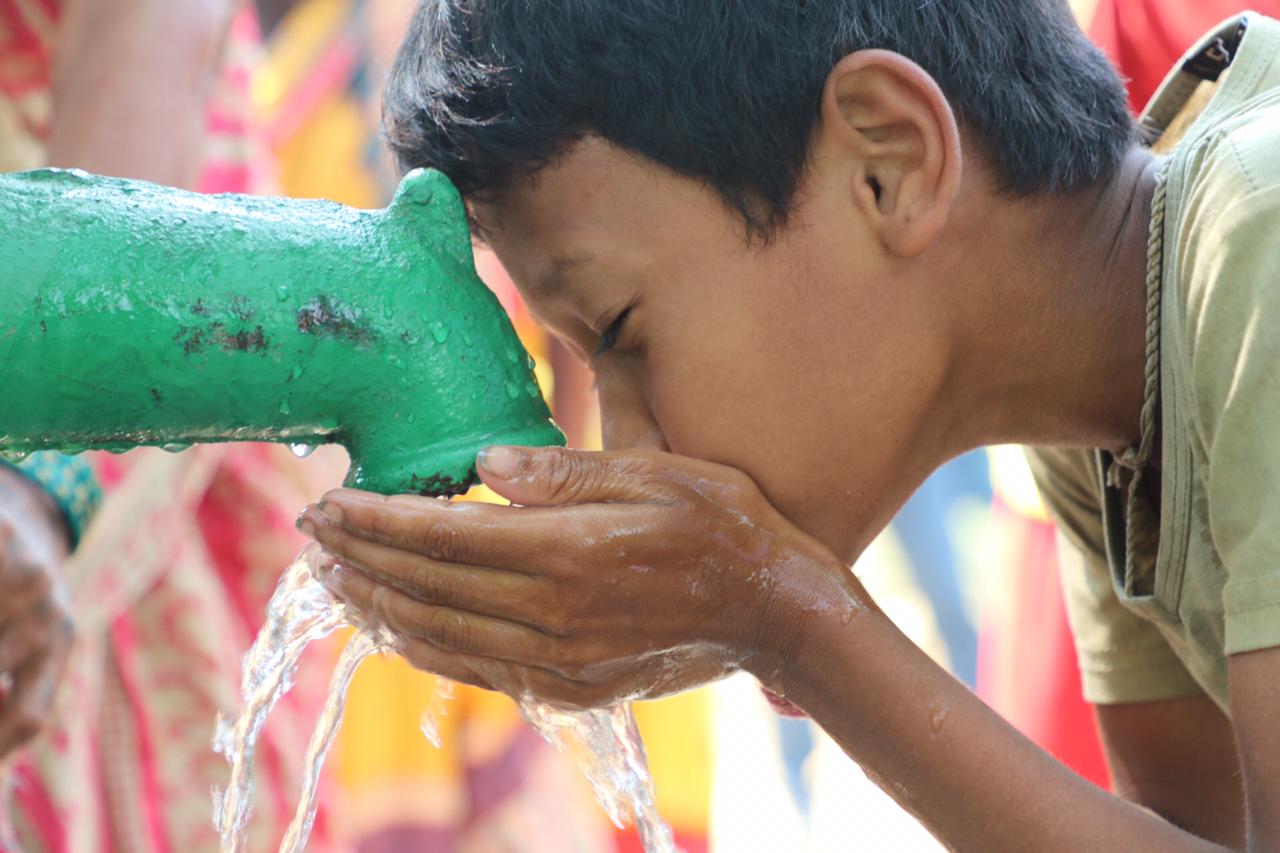
Alongside the feeding programme, Ruben identifies communities that need access to safe drinking water. A lot of the villages don’t have fresh water, which has significant implications for their health and wellbeing. Through funding from Feed The Hungry UK, bamboo drills are used to drill 40-80 metres down, establishing a well for the community. Ruben always takes the opportunity to share the gospel with them, providing not just the resources they desperately need but also the chance to learn about Jesus.
Compassion in action
Our work in Nepal reaches out to these neglected communities both spiritually and practically. A regular gift could help us reach more Musahar communities, providing essential resources, nutritious food and education for the next generation.
Partner with Pastor Ruben to feed the children at ‘Innovative Academy’. Your donation will help us to continue developing sustainable farming with him, creating greater stability for local communities.